Hypnotherapy for Addiction Recovery: Amanda Joy's Approach
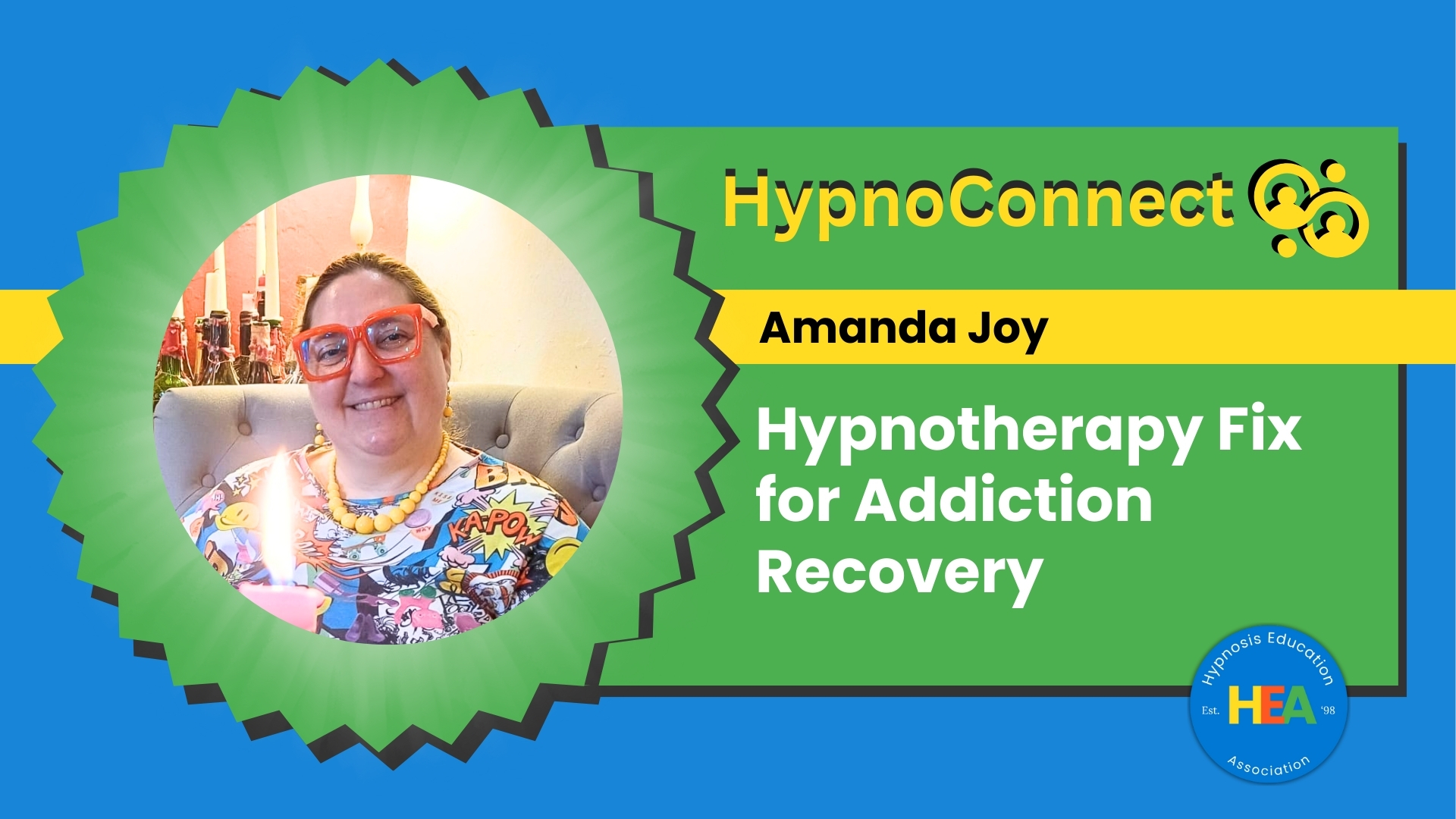
In a powerful HypnoConnect session hosted by the Hypnosis Education Association (HEA), Amanda Joy, a clinical hypnotherapist and director of studies at the Northern College of Clinical Hypnotherapy, unveiled her transformative approach to addiction recovery. With over 25 years of experience and a personal journey through severe addiction, Amanda Joy shared her TRANS protocol, emphasizing that addiction is not just about substances but about unmet emotional needs. This session explored how hypnotherapy can address the emotional drivers of addiction to foster lasting recovery.
Watch the full HypnoConnect session with Amanda Joy on YouTube
The Hidden Truth Behind Addiction
Amanda Joy revealed that addiction is often misunderstood, with millions trapped in cycles of shame and relapse due to treatments that focus on behavior rather than emotions. "It's not about the substance; it's about what the substance provides emotionally," she explained. Drawing from her own struggles with alcohol, marijuana, LSD, ecstasy, and prescription medications, Amanda Joy highlighted how substances temporarily filled emotional voids, only to deepen them over time. Her approach, developed through years of research with organizations like the Salvation Army, shifts the focus to the subconscious patterns driving addiction, offering hope for sustainable recovery.
The Hypnosis Education Association's Mission
The HEA's mission is to educate professionals and the public about hypnosis, dispel misconceptions, and promote ethical standards. The HEA hosts weekly HypnoConnect sessions, annual online conferences, and provides continuing education units. Their public outreach includes monthly press releases to highlight hypnosis's benefits. Membership is open to all, from novices to retirees, fostering a global community where practitioners like Amanda Joy share actionable expertise.
Why Willpower Isn't Enough
The Sobering Statistics
Amanda Joy underscored the global addiction crisis with stark statistics:
Scotland saw 1,172 drug-related deaths in 2023, a 12% increase from 2022, with rates 2.7 times higher than the UK average.
England and Wales reported 4,907 drug poisoning deaths in 2022.
In the U.S., drug overdose deaths rose from 8.9 to 32.6 per 100,000 people between 2019 and 2022.
Despite billions spent on rehab, relapse rates remain high (up to 60% within a year), and synthetic opioids like fentanyl are increasing fatalities. Amanda Joy argued that conventional treatments fail because they overlook emotional drivers.
The Flaws in Conventional Addiction Models
Amanda Joy critiqued four flawed addiction models:
Choice Theory ("Moral Failure"): Suggests addiction is a choice due to weak morals. Reality: Addiction alters brain chemistry, making "just stopping" nearly impossible.
Biological Model ("It's Genetic"): Attributes addiction to genetics. Reality: While genetics play a role, environment and emotional coping are equally critical.
Trauma Model ("Self-Medication"): Views addiction as numbing pain. Reality: Many use substances to feel joy, not just escape suffering, even without traumatic backgrounds.
Disease Model: Labels addiction as a chronic disease. Reality: This removes blame but also agency, failing to explain varied recovery outcomes.
Amanda Joy's insight is that addiction is both a flight from pain and a pursuit of joy, requiring a holistic approach to address both.
The 4 Emotional Needs That Fuel Addiction
Amanda Joy's "addictions map" identifies four emotional needs driving substance use:
Safety ("I Don't Feel Safe in My Mind"): Substances like alcohol and benzodiazepines (e.g., Valium) provide temporary calm. Example: A veteran uses alcohol to block PTSD flashbacks, but tolerance leads to worse anxiety.
Identity ("Who Am I Without This?"): Marijuana and psychedelics offer a sense of self-discovery. Example: A shy person feels authentic only when high, as Amanda Joy experienced in her youth.
Love & Connection ("I Only Feel Loved When Using"): Alcohol, MDMA, and cocaine foster social bonding. Example: Someone needs alcohol to flirt, as Amanda Joy noted from her own social struggles.
Purpose ("This Gives Me Something to Live For"): Stimulants like cocaine provide artificial motivation. Example: An unemployed person structures their day around scoring drugs.
Substances meet these needs temporarily but destroy them long-term, creating a cycle of dependency. If this resonates with your work or your own experience, join an upcoming HypnoConnect session to learn how practitioners are breaking these cycles in real time.
Hypnotherapy: The Missing Key to Recovery
Why Talk Therapy Often Fails
Amanda Joy explained that traditional therapies like CBT focus on conscious thoughts, missing the subconscious roots of addiction. Even 12-step programs, while helpful, don't directly address the emotional and imaginative language of the subconscious, where hypnotherapy excels. For practitioners looking to deepen their understanding of these techniques, the HEA offers hypnosis education opportunities designed to build clinical confidence.
How Amanda Joy's TRANS Method Works
Amanda Joy's TRANS protocol uses hypnosis to reprogram subconscious associations:
Pre-Talk (Identifying the Emotional Need): Ask, "What do you get from the substance?" (e.g., relaxation, confidence). This mirrors the client's internal "pre-talk" (e.g., "I deserve this drink").
Induction (Recreating the "Sweet Spot"): Hypnosis evokes the desired feeling naturally, using imagery to replicate the substance's effect (e.g., warmth from alcohol).
Deepening ("Narcosis"): Mimics the peak high safely, triggering natural serotonin/dopamine release, as Amanda Joy described with her "holiday in the head" metaphor.
Change Work (Rewiring the Subconscious): Uses parts therapy or suggestions to address the root cause, like telling the addicted part, "You can feel calm without a drink."
Emergence: Clients exit trance with positive suggestions, avoiding the "come down" and feeling empowered.
The 3 Pillars of Lasting Recovery
Amanda Joy's method builds a life where substances lose appeal through three pillars:
Authenticity ("Who Am I?"): Addicts often lie to hide discomfort, as Amanda Joy did during her addiction. Hypnotherapy fosters honesty. Practice: Daily journaling to identify true desires.
Resilience ("How Do I Handle Life Without Numbing?"): Many lack coping skills, as Amanda Joy learned post-recovery when overwhelmed by bills. Hypnotherapy builds strategies. Practice: The "5-Minute Reset" (breathing and grounding).
Vulnerability ("Asking for Help Is Strength"): Shame isolates addicts. Hypnotherapy encourages openness. Practice: Reach out before cravings hit.
Amanda Joy's Personal Recovery Toolkit
Amanda Joy shared her daily habits that sustain her recovery:
Spiritual Breakfast: Meditation, prayer, and exercise, like boxing or walking her dog, to feed the mind and body.
Acts of Service: Volunteering with refugees and the Salvation Army's SHARP study builds self-worth.
Affirmations: "I am a beautiful work in progress. I am joy. I am a miracle."
Community: Finding a "tribe" of supportive people, like the HEA community, counters isolation.
Breaking the Cycle: Your Next Step
Amanda Joy's approach offers hope for those struggling with addiction or habits like smoking or overspending. If you're tired of relapsing or feeling defined by addiction, hypnotherapy can rewire your subconscious. Join the next HypnoConnect session to learn from experts like Amanda Joy or explore resources at the Northern College of Clinical Hypnotherapy.
Final Thought
Amanda Joy's HypnoConnect session shows that addiction isn't a choice; it's a pursuit of emotional needs. Recovery is possible by addressing these needs with hypnotherapy's powerful tools. What need is your addiction masking? Explore Amanda Joy's resources at the Northern College of Clinical Hypnotherapy or join the HEA to start your journey to freedom.
Listen to the full episode on the HypnoConnect Podcast
Register for HypnoConnect sessions here
Frequently Asked Questions
Can hypnotherapy really help with addiction recovery?
Yes. Hypnotherapy works by accessing the subconscious mind where emotional patterns and habitual responses are stored. Unlike approaches that focus only on conscious willpower, hypnotherapy addresses the underlying emotional needs that drive substance use. Amanda Joy's TRANS protocol is specifically designed to reprogram the subconscious associations that keep the addiction cycle going, helping clients find natural ways to meet those same emotional needs.
What is the TRANS protocol Amanda Joy uses?
The TRANS protocol is a five-step hypnotherapy framework developed by Amanda Joy for addiction recovery. It begins with identifying the emotional need the substance fulfills, then uses hypnotic induction to recreate that feeling naturally, deepens the experience to trigger the brain's own dopamine and serotonin response, applies change work to rewire the subconscious pattern, and closes with a positive emergence. The goal is to give the brain a healthier path to the same emotional satisfaction.
Does hypnotherapy for addiction replace traditional rehab or therapy?
Hypnotherapy is not a replacement for medical treatment or crisis intervention. It works best as a complementary approach alongside other recovery support. What it adds is direct access to the subconscious emotional drivers that talk therapy and behavioral programs often miss. Many practitioners integrate hypnotherapy with existing treatment plans to address the root causes behind relapse.
What are HypnoConnect sessions and who can attend?
HypnoConnect sessions are weekly online events hosted by the Hypnosis Education Association where experienced practitioners share techniques, case studies, and research in real time. They are open to everyone, from certified hypnotherapists seeking continuing education to curious individuals exploring how hypnosis works. Each session focuses on a specific topic and includes live interaction with the presenter.
How do I become a member of the Hypnosis Education Association?
Membership is open to anyone with a sincere interest in hypnosis, regardless of experience level. Members gain access to weekly HypnoConnect sessions, annual online conferences, continuing education units, the HEA newsletter, and a global community of practitioners. You can register directly through the HEA membership page on the website.
Is there a recording of Amanda Joy's session if I missed it?
Yes. The full session is available as a video on the HEA YouTube channel and as a podcast episode on HypnoConnect's Podbean page. Both are linked at the top and bottom of this article so you can watch or listen at your own pace.
Amanda Joy is a member of the Hypnosis Education Association. Visit thenortherncollegeofclinicalhypnotherapy.com or find her in our member directory.


